
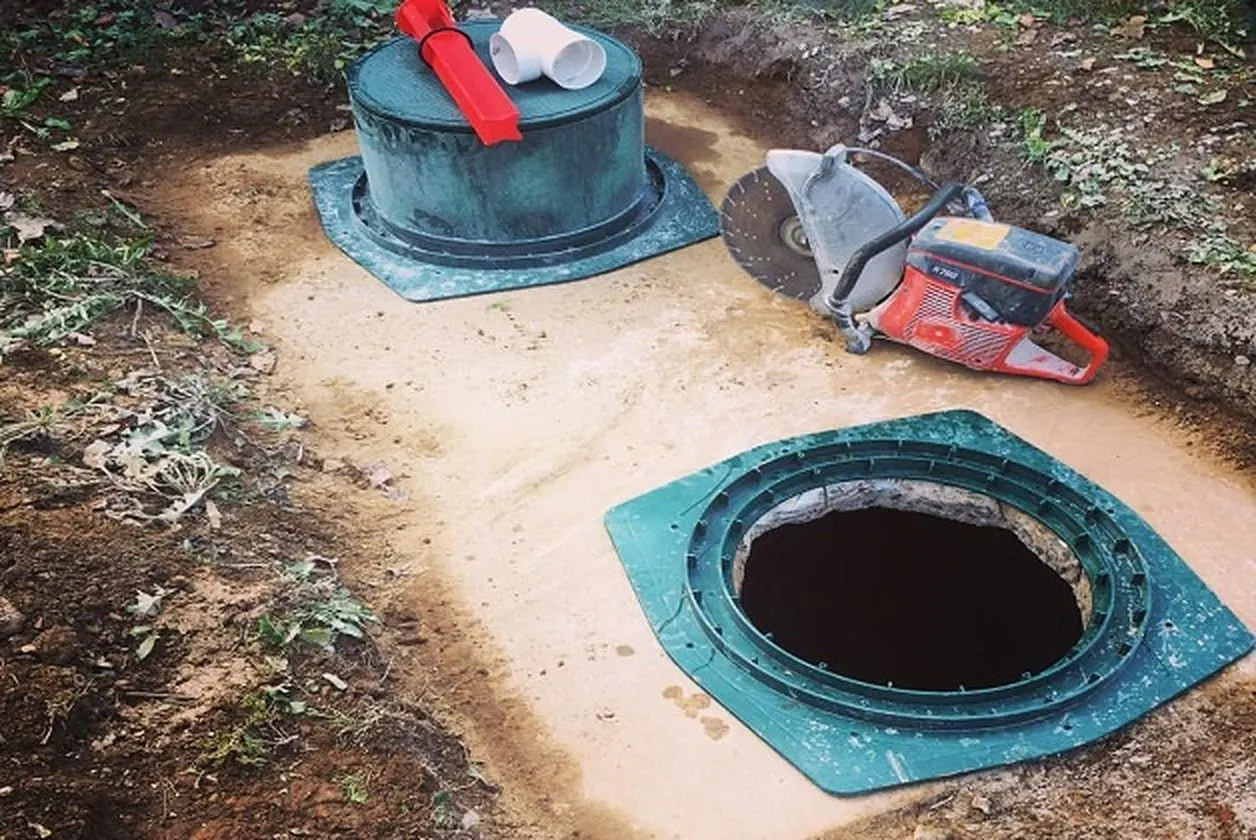
We start with any record on file, then trace the pipe from the house, probe the ground and use an electronic locator where needed. You get the tank, lids, D-box and main lines marked on site and on a simple sketch to keep with your paperwork.
Signs you may need this
- You just bought the property and have no septic map
- It is time to pump and nobody knows where the lids are
- You are planning a fence, shop, driveway or garden and need to avoid the system
- A buyer, lender or inspector has asked where the system is
- The ground has settled or been landscaped since the system went in
What to discuss in the service scope
- Check for a filing or sketch on record with the health authority
- Find where the sewer line leaves the house and trace its direction
- Probe and use an electronic locator to pinpoint the tank and lids
- Locate the D-box and the main drain field lines where possible
- Mark everything on site and give you a written sketch with measurements
Safety first. Do not dig around a buried tank with a machine. Lids and pipes are shallow and easy to break, and an open tank is dangerous. Mark the area and keep people and pets away.
What affects the quote?
- Available records and the likely route of the sewer line
- Ground access, depth and whether camera tracing or excavation is needed
- Which components need locating and recording
Ask for the scope and any additional work to be explained before booking. We do not quote a fixed price from a symptom alone.
Before you book
- Any old plan, permit filing, invoice or seller information
- Where the building sewer leaves the house, if known
- Tell us about paved surfaces, structures or landscaping over the suspected route
What to know in BC
Records of a septic system are usually held by the health authority, which is Fraser Health in most of the Fraser Valley and Vancouver Coastal Health in Squamish. A record helps, but it may not match what is in the ground, so we confirm on site.
Common questions
How do you find a buried septic tank?
We start from the sewer line where it leaves the house, check any record on file, then probe and use an electronic locator. Most tanks are found within a short visit.
Can you find the drain field too?
Usually the D-box and main lines, yes. Field lines can be traced with a camera and locator from the D-box or a cleanout.
Should I add risers once the tank is found?
It is worth it if you pump regularly. Risers bring the lids to grass level so no one has to dig or search again.
What affects the cost of this service?
The quote depends on available records and the likely route of the sewer line, as well as access and the agreed work. Ask what is included before booking; a symptom alone is not enough to set a reliable price.