
There is no single interval that suits every home. Your schedule depends on the factors below, and the best source is the maintenance plan for your system or an inspection of the tank.
What changes the interval
- Tank size relative to the number of people in the home
- Total water use, including laundry and water softeners
- Whether a garbage disposal is used
- Whether the tank has an effluent filter
- Seasonal or full-time occupancy
What BC sources say
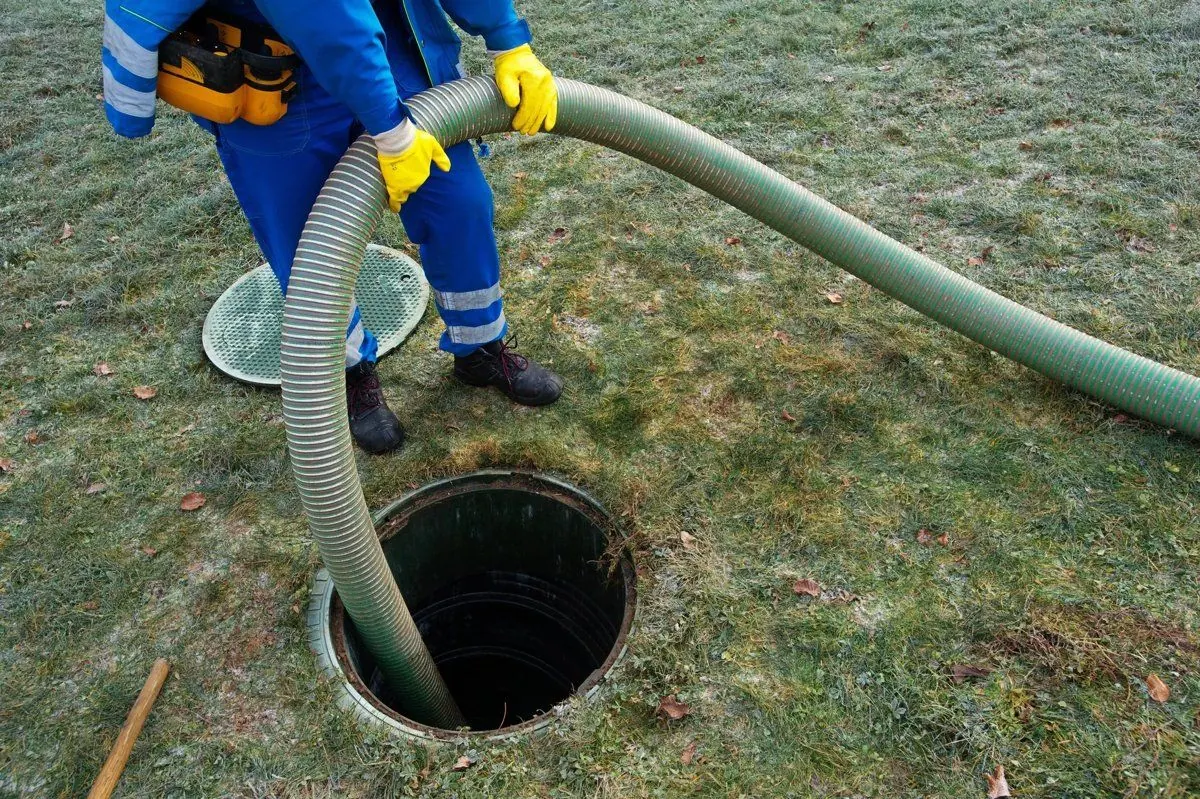
HealthLink BC says a septic tank should be pumped regularly, usually every 2 to 5 years. The Fraser Valley Regional District points to every 3 to 5 years for many homes, or when the sludge reaches about one third of the tank depth. These are guidelines, not a fixed rule for every home. If your system has a maintenance plan, follow it.
Why not just guess
Pumping too late lets solids pass into the drain field, which is the costly part to repair. Pumping far too often wastes money. A measure of sludge and scum depth tells you where you are.
Keep a record
BC rules expect owners to keep records of maintenance. A written record of each pump-out helps you set the next date, and it helps when you sell.
Make it easier
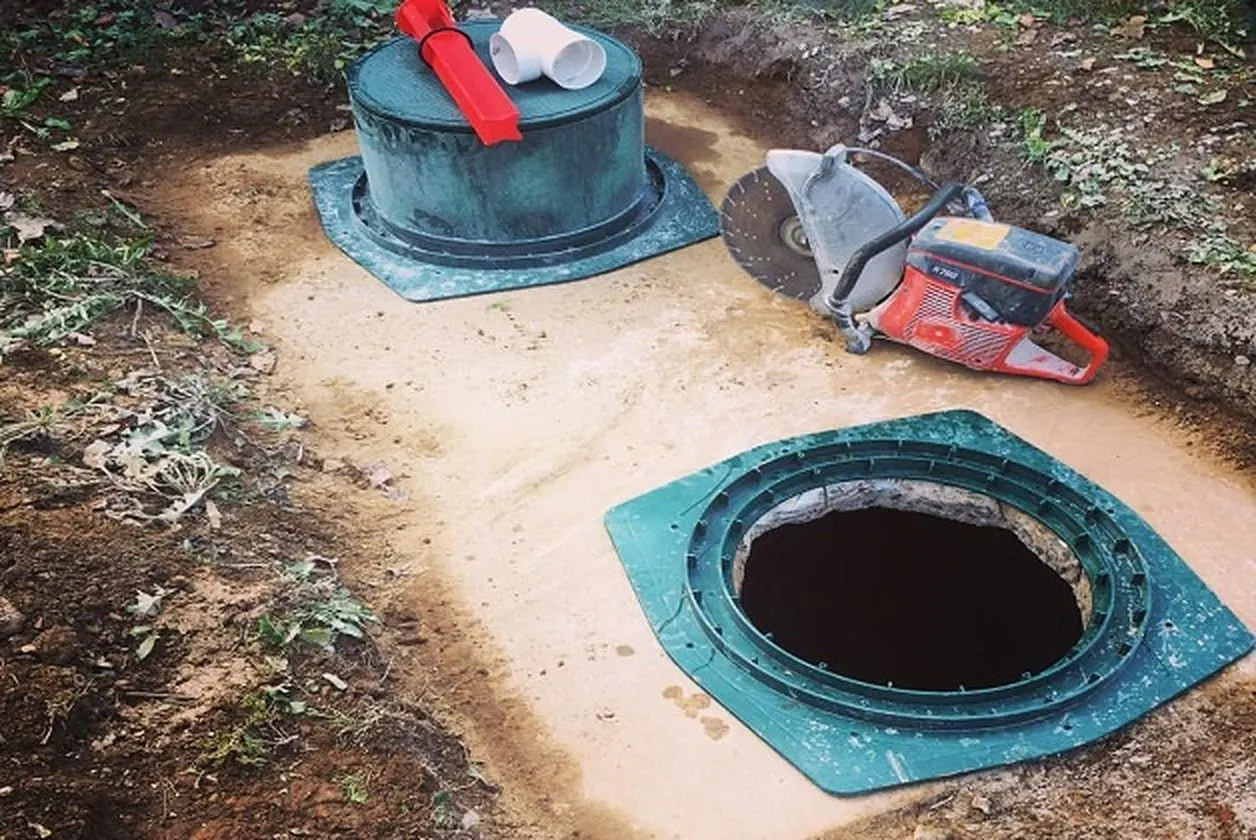
If your lids are buried, risers speed up every visit and make inspections simpler.
Related services
Questions about this guide
Is a pumping interval the same as a maintenance interval?
No. Solids accumulation informs pumping, while a system maintenance plan may require other component checks between pump-outs. Keep both schedules and records together.